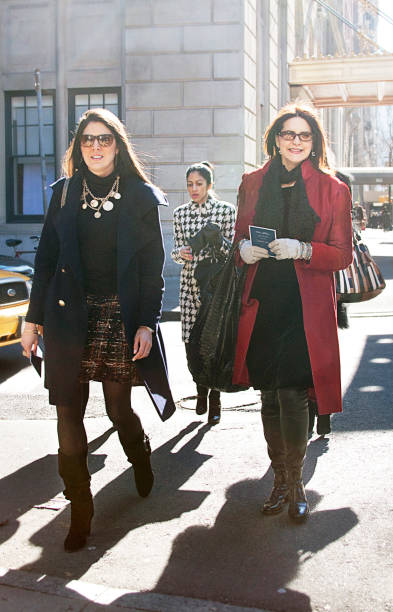
 has announced it will go completely fur‑free starting 2026.)
In a major move toward ethical fashion, New York Fashion Week (NYFW) has announced it will go completely fur‑free starting 2026. This milestone signals a shift in how the fashion industry balances luxury, style, and sustainability, and it’s set to reshape both designer strategies and consumer behavior across the globe.
Why Fur-Free Fashion Matters Now
The fashion world has long been criticized for using real animal fur, and rising consumer awareness is accelerating change:
-
Ethical concerns: Shoppers increasingly demand cruelty-free alternatives.
-
Sustainability focus: Faux fur and recycled textiles reduce environmental impact.
-
Brand reputation: Luxury and high-street labels alike are responding to public demand for responsible fashion.
By banning fur on the runway, NYFW sends a clear signal: style doesn’t need animal exploitation.
Designer and Consumer Responses
USA
-
Major designers are embracing high-quality faux fur, recycled fabrics, and innovative textures.
-
Consumers are showing strong support for cruelty-free collections, making fur-free fashion a selling point for both ethics and style.
India
-
Indian designers are increasingly avoiding animal-based materials, blending traditional craftsmanship with sustainable fabrics.
-
Consumers, particularly in urban centers, are seeking luxury looks that align with global ethical standards.
This global shift reflects a new standard for luxury fashion—where sustainability and elegance go hand in hand.
How This Will Impact the Fashion Industry
-
Material Innovation: Faux fur, recycled textiles, and lab-grown alternatives will dominate future collections.
-
Marketing Shift: Brands will highlight ethical credentials as part of their luxury appeal.
-
Retail Evolution: Stores and online platforms will offer curated cruelty-free sections to meet growing demand.
-
Trend Integration: Fur-free doesn’t mean less glamour—designers are experimenting with textures, patterns, and bold silhouettes to replace traditional fur.
Quick Tips for Consumers to Embrace Fur-Free Fashion
-
Opt for high-quality faux alternatives: They look luxurious without harming animals.
-
Support sustainable designers: Look for brands prioritizing eco-friendly and ethical production.
-
Mix textures: Faux fur can be paired with leather, velvet, or metallic fabrics for statement looks.
-
Experiment with layering: Fur-free coats, vests, and accessories can elevate everyday style.
-
Educate and inspire: Share cruelty-free fashion choices to encourage broader adoption.
Conclusion
NYFW’s decision to go fur-free from 2026 isn’t just symbolic—it marks a pivotal moment in global fashion culture. Designers in the USA and India are already exploring innovative alternatives, and consumers are increasingly prioritizing style that aligns with ethics and sustainability.
In 2026, the message is clear: luxury, glamour, and conscience can coexist. Fur-free fashion is no longer a niche trend—it’s the new standard for modern style.