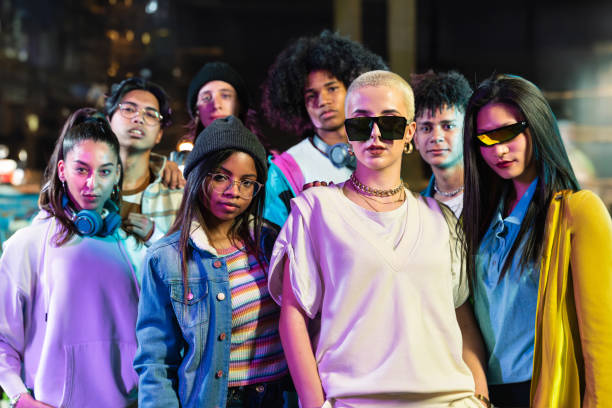

The fashion landscape in 2026 is evolving faster than ever. From sustainability and ethical sourcing to digital innovation and shifting consumer behavior, designers and retailers are navigating a world where style, values, and technology intersect. Understanding these trends is essential for anyone who wants to stay ahead in the global fashion market.
Key Trends Shaping Fashion in 2026
1. Sustainability and Circular Fashion
Consumers, especially Gen Z and millennials, are prioritizing eco-friendly and ethical fashion:
-
Upcycled materials, recycled fabrics, and second-hand marketplaces are booming.
-
Brands are introducing take-back programs to encourage reuse and reduce waste.
-
Ethical and sustainable choices are now considered status symbols in both the USA and India.
2. Digital Fashion and Virtual Experiences
Technology is transforming how people interact with fashion:
-
Virtual fashion shows, AR fitting rooms, and AI-driven styling apps are becoming mainstream.
-
NFT and digital wearables allow consumers to express personal style online.
-
Indian e-commerce platforms are increasingly experimenting with AR try-ons, bridging tech and fashion.
3. Inclusivity and Diversity
Fashion is embracing all sizes, genders, and cultural influences:
-
Designers are creating collections that reflect body positivity and multicultural inspiration.
-
Inclusive campaigns resonate strongly on social media, driving both engagement and loyalty.
-
In India, designers are blending traditional crafts with contemporary fashion, appealing to a diverse audience.
Challenges Facing Designers and Retailers
-
Supply Chain Pressure: Rising demand for sustainable fabrics puts stress on traditional manufacturing pipelines.
-
Fast Fashion vs Ethical Fashion: Balancing affordability with sustainability remains a challenge.
-
Consumer Education: Brands must convince shoppers that eco-conscious choices are worth the investment.
-
Global Competition: Local designers compete with international brands, requiring innovation to stay relevant.
Opportunities for Growth
-
Collaborations and Influencer Partnerships: Social media-driven campaigns accelerate trend adoption.
-
Tech Integration: AI, AR, and digital fashion allow retailers to offer personalized experiences.
-
Emerging Markets: India’s fashion market is growing rapidly, presenting opportunities for global and local brands.
-
Luxury Meets Responsibility: High-end fashion embracing ethics and sustainability captures conscious consumers.
Quick Tips for Fashion Enthusiasts
-
Invest in versatile, sustainable pieces: High-quality items last longer and reduce waste.
-
Experiment with digital fashion: AR apps and online styling tools enhance your wardrobe experience.
-
Support ethical brands: Choose designers and retailers prioritizing fair labor and eco-friendly materials.
-
Mix avant-garde with everyday wear: Use bold statement pieces inspired by runway trends to elevate casual outfits.
-
Follow global trends with a local twist: Adapt international styles to your cultural and regional context.
Conclusion
Fashion in 2026 is dynamic, ethical, and tech-savvy. Designers and retailers who embrace sustainability, inclusivity, and innovation will shape the future, while consumers are increasingly demanding style that aligns with values and lifestyle.
From the streets of New York to urban India, the rules of fashion are evolving—and those who adapt will thrive in a world where style meets conscience, culture, and technology.