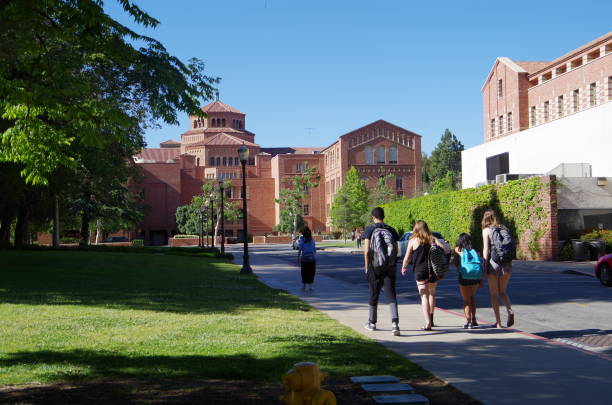

In 2026, college enrollment in the United States has reached a decade high, marking a significant rebound in higher education participation. The growth is driven largely by community colleges, dual-enrollment programs, and adult learners returning to education, reflecting shifting demographics and a renewed interest in postsecondary learning. However, this boom comes alongside new challenges, including changes in international student trends, funding pressures, and evolving workforce needs.
What’s Driving the Enrollment Surge
1. Community College Growth
-
Affordable tuition and flexible schedules make community colleges highly appealing.
-
Many students view these institutions as a gateway to four-year universities or career-ready programs.
-
Increased partnerships with industries provide direct employment pathways after graduation.
2. Dual-Enrollment and Early College Programs
-
High school students increasingly take college-level courses, accelerating their academic journeys.
-
This trend boosts enrollment numbers and helps students graduate earlier with less debt.
3. Adult Learners and Career Shifters
-
Career transitions and reskilling initiatives are pushing adults back into higher education.
-
Programs offering short-term certificates and skill-based credentials are gaining popularity.
Challenges Behind the Numbers
-
Declining International Graduate Enrollment
-
While total enrollment is up, the number of international students, particularly from India and China, has slowed at some universities.
-
Visa policies, rising costs, and competition from alternative destinations contribute to this trend.
-
-
Funding Pressures and Affordability
-
Increased enrollment strains institutional resources, particularly in public colleges.
-
Rising tuition and living costs continue to impact students from lower-income backgrounds.
-
-
Adapting to Workforce Needs
-
Colleges must ensure curricula match rapidly changing job markets, especially in tech, healthcare, and AI-driven industries.
-
Comparing the U.S. and India
United States:
-
Enrollment growth driven by community colleges, dual enrollment, and adult learners.
-
Emphasis on flexible pathways and workforce integration.
India:
-
Rapidly expanding higher education sector with increased enrollment in universities and vocational programs.
-
Government programs like Skill India and new technology institutes aim to bridge skill gaps for a growing workforce.
Both countries are prioritizing practical outcomes, employable skills, and accessible education, though the U.S. focuses on flexible pathways, while India focuses on scaling infrastructure and skill development.
Key Takeaways
-
Community colleges and flexible programs are central to the U.S. enrollment boom.
-
International student numbers may decline in some regions, despite overall growth.
-
Adult learners and early college programs are reshaping higher education demographics.
-
India is expanding capacity to meet the demand for quality higher education and vocational skills.
-
Institutions globally must adapt to student needs, workforce alignment, and affordability pressures.
Conclusion
The U.S. higher education system is experiencing a historic enrollment surge, powered by community colleges, dual-enrollment, and adult learners. While this growth is promising, universities must navigate funding challenges, workforce alignment, and international student trends.
For India, the focus remains on expanding access and vocational skill development, highlighting a global shift toward practical, flexible, and career-oriented higher education.