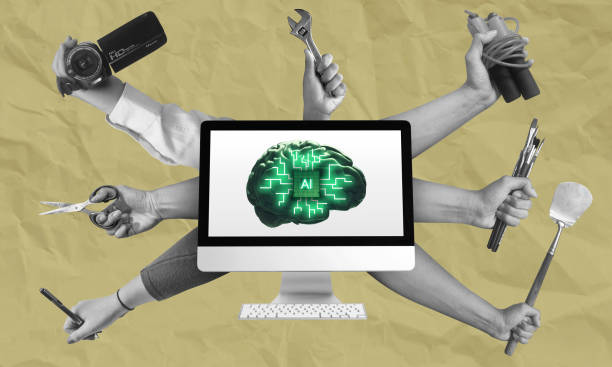

Artificial Intelligence is no longer just a trend—it is the infrastructure of modern technology. In 2026, AI is shaping everything from business operations and cloud platforms to consumer apps and industrial systems, marking a tipping point where it has become the backbone of the digital economy.
AI as the Core of the Digital Economy
1. Intelligent Enterprises
Companies are integrating AI into every layer of operations:
-
Predictive analytics for supply chains and finance
-
Automated customer service with natural language processing
-
AI-driven marketing strategies that optimize engagement in real time
2. Cloud and Edge Transformation
AI is powering cloud and edge computing, enabling smarter, faster, and more scalable systems:
-
Cloud 3.0 platforms leverage AI for real-time insights and decision-making
-
Edge AI ensures low-latency applications for IoT, smart cities, and autonomous systems
-
Hybrid architectures balance performance, cost, and data privacy
3. Autonomous Systems and Intelligent Apps
From robots to smartphones, AI drives autonomous decision-making:
-
Self-learning software improves productivity and reduces human error
-
Intelligent applications personalize experiences and anticipate user needs
-
Businesses are adopting AI frameworks to automate critical, complex processes
Adoption Momentum: USA vs India
USA:
-
Rapid enterprise adoption across tech, finance, healthcare, and retail
-
Heavy investment in AI infrastructure, research, and startup innovation
-
AI-first approach to products, from intelligent apps to autonomous systems
India:
-
Growing adoption in startups, digital platforms, and industrial applications
-
Focus on cost-efficient AI deployment and practical business solutions
-
Government initiatives (Digital India, AI task forces) boost AI integration across sectors
This shows a global AI ecosystem where innovation, scalability, and adoption complement each other.
Implications for Businesses and Consumers
-
Enterprises: AI reduces costs, improves efficiency, and enables smarter decision-making.
-
Consumers: Apps and devices become more intuitive, personalized, and proactive.
-
Developers: Opportunities in AI frameworks, edge computing, and autonomous systems are expanding rapidly.
-
Global Competitiveness: Countries and companies investing in AI infrastructure are better positioned for future economic leadership.
Quick Takeaways for 2026
-
AI is the foundation of modern business and consumer technology.
-
Enterprises must integrate AI into core operations to remain competitive.
-
Intelligent apps and autonomous systems are no longer optional—they are expected.
-
USA leads in AI R&D and high-end enterprise adoption, while India excels at scalable, cost-effective solutions.
-
Staying ahead requires strategic, ethical, and practical AI deployment.
Conclusion
The tipping point is here: AI is not just a tool; it is the backbone of the digital economy. From the USA’s innovation-driven enterprises to India’s scalable adoption across industries, AI is enabling smarter, faster, and more efficient systems that power modern business and daily life alike.
In 2026, understanding and leveraging AI is no longer optional—it’s essential for competitiveness, growth, and innovation in the global technology landscape.