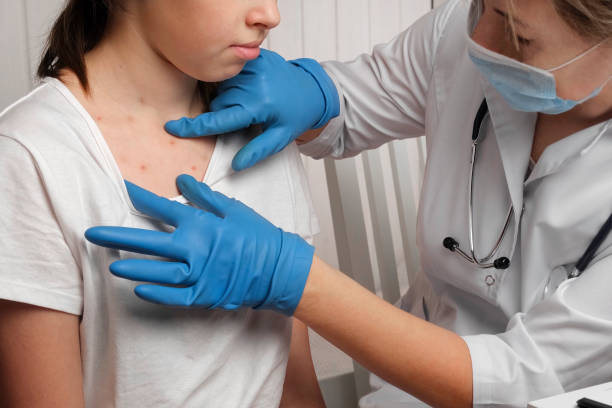

A measles outbreak that began in South Carolina has escalated rapidly, with hundreds of cases reported and dozens of people placed under quarantine in recent days. Health officials are raising alarms as the outbreak highlights the risks of vaccine-preventable diseases in communities with declining immunization rates.
Rising Cases and Growing Concern
In some areas, the number of measles cases has more than doubled, signaling how quickly the highly contagious virus can spread. While measles was once considered nearly eliminated in the U.S., recent years have seen pockets of rising infection, largely due to lower vaccination coverage in certain communities.
Public Health Response
Authorities are acting swiftly to contain the outbreak. Efforts include:
-
Quarantining exposed individuals to prevent further spread
-
Launching vaccination drives in affected communities
-
Educating the public on symptoms and the importance of timely immunization
Measles can be serious, particularly for young children, pregnant women, and people with weakened immune systems. Common symptoms include high fever, cough, runny nose, red eyes, and the signature red rash.
Why Vaccination Matters
Experts emphasize that vaccination is the most effective protection against measles. Communities with lower vaccination rates are especially vulnerable to outbreaks. Maintaining high immunization coverage is crucial not only to protect individuals but also to prevent the virus from spreading widely.
What You Can Do
-
Check your vaccination status and your children’s immunizations.
-
Stay informed about local outbreak reports.
-
Seek medical advice promptly if you or your family develop symptoms consistent with measles.
A measles outbreak that began in South Carolina serves as a stark reminder: even diseases we once thought were under control can resurface if vaccination rates fall. Staying vigilant, informed, and vaccinated is the best way to protect yourself and your community.