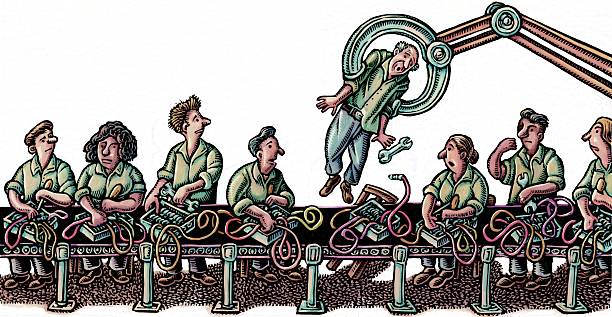

In January 2026, several major U.S. Companies —including Amazon, UPS, Dow, Nike, and Home Depot—announced plans to lay off more than 52,000 workers. These layoffs are part of broader efforts to cut costs and improve efficiency as companies respond to economic uncertainty. While the reductions affect thousands, the overall numbers remain below pre-pandemic norms, highlighting a labor market that continues to show resilience despite cooling trends.
Why U.S. Companies Are Cutting Jobs
Companies cite multiple factors behind their decisions. Rising operational costs, slowing consumer demand, and global supply chain pressures have prompted executives to reassess workforce needs. Furthermore, technology adoption and automation continue to reshape job requirements, meaning some roles no longer align with business priorities. As a result, companies aim to optimize efficiency while positioning themselves for growth in a challenging economic environment.
Which Sectors Are Most Affected
The layoffs span multiple industries, including e-commerce, logistics, manufacturing, retail, and consumer goods. Amazon and UPS focus mainly on logistics and delivery roles, while Nike and Home Depot adjust staffing in retail and corporate operations. Dow and other industrial companies streamline operations to maintain competitiveness. Consequently, the wave of layoffs reflects broader trends across key sectors rather than isolated corporate decisions.
Impact on Workers and the Economy
These layoffs have immediate implications for workers, many of whom may face longer job searches due to a slower labor market. Economists note that unemployment durations are gradually increasing, and some workers may need additional training to transition into new roles. However, the broader economy shows signs of resilience, and companies continue hiring in high-demand areas such as technology, healthcare, and renewable energy. Therefore, the layoffs may represent a strategic shift rather than a total contraction in hiring.
What This Means for the Future
For businesses, these workforce adjustments highlight the importance of flexibility, strategic planning, and efficiency. For employees, the current trend emphasizes the value of upskilling and adaptability. Ultimately, while layoffs signal caution in uncertain times, they also reflect efforts by U.S. companies to strengthen operations and prepare for future growth. Consequently, workers and employers alike must navigate a labor market that evolves rapidly under economic pressures.