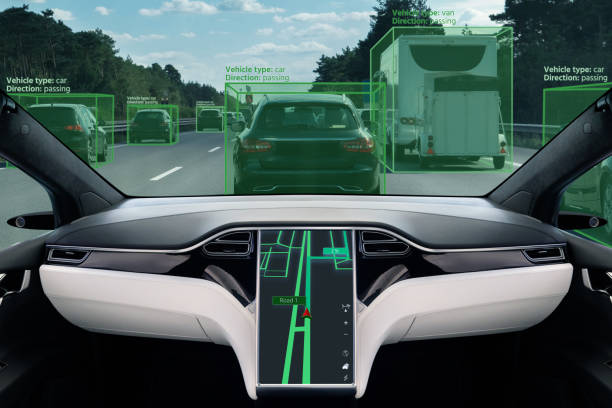

Artificial Intelligence is rapidly transforming the automotive industry. In 2025, cars are no longer just mechanical machines—they are becoming smart, data-driven systems capable of making real-time decisions to improve safety and driving comfort.
While both the USA and India are adopting AI-powered vehicles, the way this technology is being used—and the challenges it faces—are very different in each country.
What Does AI in Cars Actually Mean?
AI in vehicles refers to systems that can analyze data, learn from driving behavior, and respond automatically. These technologies power features such as:
-
Advanced Driver Assistance Systems (ADAS)
-
Lane-keeping and collision avoidance
-
Driver monitoring systems
-
Voice assistants and predictive navigation
The goal is simple: reduce accidents and make driving safer.
AI-Powered Safety in the USA
Advanced Systems for High-Speed Driving
In the United States, AI adoption is focused on highway safety and driver convenience.
Common AI features in US vehicles:
-
Adaptive cruise control
-
Automatic emergency braking
-
Lane-centering assist
-
Semi-autonomous driving modes
Leading brands:
-
Tesla (Autopilot and Full Self-Driving features)
-
Ford (BlueCruise)
-
GM (Super Cruise)
These systems are designed for long-distance travel on well-marked highways, where AI can perform most effectively.
AI Adoption in India: A Growing but Cautious Shift
Adapting AI to Complex Road Conditions
India presents unique challenges for AI-driven safety systems:
-
Dense traffic
-
Unpredictable road users
-
Poor lane markings in many areas
As a result, AI features in Indian cars are currently more basic and safety-focused.
Common AI features in Indian vehicles:
-
Forward collision warning
-
Blind spot detection
-
Driver drowsiness alerts
-
Parking assist systems
Key players:
-
Tata Motors
-
Mahindra
-
Hyundai
-
MG Motor
The focus is on preventing accidents in city traffic rather than enabling autonomous driving.
Cost vs Safety: A Key Difference
USA
-
AI safety features are often standard in mid-to-premium vehicles
-
Buyers are willing to pay extra for advanced technology
-
Subscription-based AI features are becoming common
India
-
AI systems are mostly available in higher variants
-
Cost sensitivity limits widespread adoption
-
Automakers are working to localize AI tech to reduce prices
Are Indian Roads Ready for Full AI Driving?
Fully autonomous driving remains challenging in India due to:
-
Mixed traffic (cars, bikes, pedestrians, animals)
-
Limited road signage consistency
-
Rapidly changing urban environments
However, AI-powered driver assistance is already making a measurable impact on road safety.
In the USA, autonomous driving trials are expanding, but regulators remain cautious about full self-driving deployment.
Government Regulations and Safety Standards
United States
-
Strict safety testing requirements
-
Federal and state-level oversight
-
Emphasis on driver accountability even with AI systems
India
-
Gradual inclusion of ADAS in safety norms
-
Focus on affordable safety tech
-
Increasing awareness campaigns around vehicle safety
The Future of AI in Cars
By the end of this decade:
-
AI will become standard in most new vehicles
-
Safety systems will be more predictive than reactive
-
Human drivers will increasingly share control with machines
For both countries, AI represents a powerful tool—but its success depends on infrastructure, regulation, and responsible use.
Conclusion
AI is reshaping driving safety, but the journey looks different in each market.
-
The USA is pushing toward semi-autonomous and autonomous driving.
-
India is prioritizing practical AI solutions that improve everyday safety.
Together, these approaches highlight how technology must adapt to local realities to truly make roads safer.