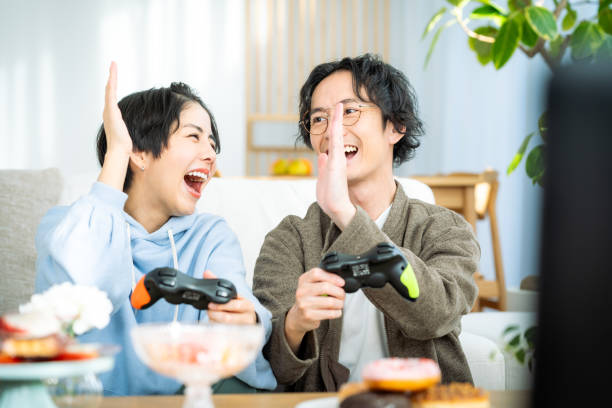

I kept seeing people casually mention daman game online in random WhatsApp groups and even in Instagram comment sections, which honestly surprised me. Usually games trend for a week and disappear, but this one kinda stuck around. At first I thought it was just another hype wave, you know, the type where everyone plays for two days and forgets. But after trying it myself during a boring evening when my WiFi kept dropping, I realized the appeal is actually pretty simple — fast rounds, quick decisions, and that small adrenaline hit when things go right. It feels less like a heavy strategy game and more like checking stock prices every few minutes, except way more entertaining and slightly chaotic.
The funny thing is, most new players think progress depends on luck only. That’s the biggest misunderstanding. Luck plays a role, sure, but saying it’s only luck is like saying earning money depends only on salary. Anyone who has tried budgeting knows habits matter more than income sometimes.
Understanding Progress Like Managing a Small Budget
One mistake I made early was playing too fast. I treated every round like it was urgent, clicking without thinking. Later I realized gameplay works a lot like managing your monthly expenses. If you spend everything in the first week, the rest of the month feels stressful. Same logic applies here. Slow decisions usually beat emotional ones.
A lesser-known thing many players don’t talk about is pacing. Online chatter on Reddit-style forums and gaming Telegram groups often mentions “session control,” which basically means deciding beforehand how long you’ll play instead of continuing endlessly. Sounds obvious, but almost nobody actually does it. When I started limiting my sessions, weirdly enough, my results improved. Maybe the brain just works better when it isn’t tired.
There’s also this psychological effect where small wins make you overconfident. Happens in finance too — people make one good investment and suddenly think they’re experts. Same vibe here. Staying calm after a win is honestly harder than recovering from a loss.
Patterns, Not Predictions
People love searching for secret formulas. I did too. I watched random YouTube creators claiming they cracked some hidden system, and honestly most of it felt like horoscope-level predictions. But after spending enough time playing, you start noticing rhythm instead of patterns. And yes, rhythm is different.
Think of it like traffic signals in a busy city. You can’t predict every light perfectly, but you can sense the flow after driving the same road often. Experienced players don’t magically know outcomes; they just react better because they’ve seen similar situations before.
A small stat I noticed from community discussions is that players who take short breaks every 20–30 minutes tend to stay more consistent. Sounds silly, but mental fatigue sneaks up fast. When your brain gets tired, you stop observing details and start guessing.
The Social Media Effect Nobody Mentions
One thing that really influences gameplay is social media hype. When Twitter or reels start showing big wins, expectations get unrealistic. Nobody posts their boring sessions or losses. It’s like fitness influencers posting only perfect gym photos while hiding the days they skipped workouts.
I remember one weekend when everyone online was talking about huge streaks. I jumped in thinking the same would happen instantly. Spoiler: it didn’t. That’s when I learned progress isn’t viral — it’s gradual. Most experienced players quietly focus on consistency rather than chasing dramatic moments.
There’s also a strange confidence boost when you stop comparing yourself with others. Once I muted a few gaming groups, I played more relaxed. Less pressure equals clearer thinking, which sounds like motivational poster advice, but annoyingly… it works.
Small Adjustments That Actually Help
What helped me most wasn’t any dramatic trick but tiny habit changes. Playing at the same time daily made me more focused because distractions were fewer. Avoiding multitasking helped too. I once tried playing while watching a cricket match and replying to messages — terrible idea. My attention was everywhere except the game.
Another underrated tip is observing your own reactions. If frustration starts building, that’s usually the signal to pause. Emotional decisions almost always lead to regret, whether in gaming or spending money online at 2 a.m. (we’ve all done that at least once).
Also, beginners underestimate patience. Fast progress doesn’t mean constant wins; it means fewer careless mistakes over time. Improvement feels slow at first, then suddenly noticeable, kind of like learning to ride a bike — awkward until one day balance just clicks.
Why Progress Feels Slow Before It Feels Fast
There’s this phase where nothing seems to change even though you’re trying harder. I nearly quit during that stage because it felt repetitive. But later I realized skill growth is invisible for a while. Your brain is quietly learning timing and decision patterns even when results don’t show immediately.
Gamers online sometimes call this the “silent upgrade” phase. Sounds dramatic, but it’s accurate. You’re improving internally before outcomes reflect it. Financially speaking, it’s like investing small amounts regularly — boring at first, powerful later.
And honestly, enjoying the process matters more than chasing constant success. The moment gameplay feels like pressure instead of fun, performance drops. I’ve seen players overanalyze everything and end up confused.
Near the end of the day, the biggest hack isn’t secret knowledge. It’s awareness. Understanding when to play, when to stop, and how to stay balanced changes everything. That’s probably why players keep returning to daman game online — the learning curve feels personal, almost like you’re competing with your own habits more than the game itself.
Progress becomes faster when you stop hunting shortcuts and start noticing small improvements. And yeah, it sounds cliché, but sometimes the simplest approach works best… even if we all try complicated ways first before admitting it.