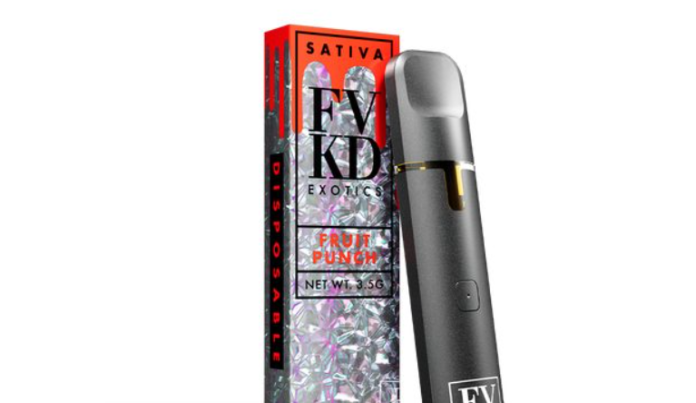
Fruit-inspired names are common in the cannabis market because they create familiar sensory associations and help distinguish products in a crowded category. A name like Fruit Punch may suggest a colorful blend of sweet and tangy fruit notes, but the actual product profile depends on its formulation and available documentation. Understanding this difference helps consumers separate branding from verifiable information. By examining flavor descriptions, ingredient labels, and laboratory results, adults can evaluate product claims more carefully and make informed, responsible decisions.
Why Fruit-Inspired Names Stand Out
Flavor names can make a product memorable before a consumer has even read its label. Familiar references to berries, tropical fruit, citrus, and candy communicate an intended sensory identity in just a few words.
The name fvkd fruit punch fits this broader naming approach by suggesting a fruit-forward profile. However, a product name alone does not establish the exact ingredients, terpene concentrations, or flavor experience a consumer may encounter.
The Difference Between Branding and Flavor
Branding uses language to create an impression, while product documentation provides more specific information about composition. A fruit-inspired name might describe an intended aroma or taste, but it does not automatically mean that the product contains actual fruit ingredients.
Consumers should check the product’s ingredient list and description to understand what is stated about its formulation. Where relevant, laboratory reports may provide additional information about cannabinoid content and measured compounds.
This distinction matters because flavor terminology is often descriptive rather than standardized. Two products with similar names may have different formulations or sensory characteristics.
What Creates a Fruit-Like Aroma?
Aroma can arise from different compounds present in cannabis and other botanical materials. Terpenes are naturally occurring compounds that contribute to the characteristic scents of many plants, including citrus fruits, herbs, and flowers.
Commonly discussed terpenes include limonene, which is associated with citrus-like aromas, and pinene, which is associated with pine-like notes. Other compounds may contribute to more complex aromatic profiles.
However, the presence and concentration of specific terpenes vary between samples. A flavor name cannot confirm which compounds are present or how much of each compound a product contains.
Why Sensory Descriptions Vary
People do not always perceive aromas in the same way. One person may describe a scent as tropical, while another may interpret similar notes as sweet, floral, or citrus-like.
Product formulation, processing, storage, and individual sensory perception can all affect how an aroma is described. For that reason, flavor language is best understood as a general description rather than a guarantee of a particular experience.
Aroma also should not be confused with health benefits. The presence of a familiar botanical compound does not establish that inhaling a product containing it is harmless.

How to Read Fruit-Inspired Product Labels
A label provides more useful information about a product’s stated composition than its name alone. Depending on the product and applicable regulations, consumers may find ingredient details, cannabinoid measurements, manufacturer information, batch identification, and safety warnings.
When reviewing fvkd fruit punch, consider the information available for the specific product rather than relying only on the fruit-inspired name.
A practical label checklist includes:
- Ingredients: Check what the manufacturer states is present.
- Cannabinoid content: Review reported THC, CBD, or other cannabinoid measurements where applicable.
- Batch information: Look for details that connect the product to relevant documentation.
- Laboratory results: Check which compounds or contaminants were tested.
- Safety instructions: Review storage guidance, warnings, and applicable restrictions.
If an important detail is missing, ask the manufacturer or seller for clarification. Avoid treating attractive packaging or a familiar flavor name as proof of purity, potency, or quality.
Understanding Strawberry Cough and Other Recognizable Names
Strain-inspired names often combine sensory associations, cultural familiarity, and brand identity. They can help distinguish products, but they do not provide a complete description of their chemical composition.
The name fvkd strawberry cough combines a recognizable fruit reference with a strain-associated term. That naming style may help consumers identify the product, but it does not independently verify the ingredients, terpene profile, cannabinoid concentration, or expected effects.
Why Similar Names May Represent Different Products
Products with similar strain or flavor names can differ by producer, source material, processing method, and formulation. Even products from the same producer may vary between batches.
If a product description makes specific claims about its cannabinoid content, those claims should be assessed using relevant documentation. If a description refers to flavor or aroma, consumers should understand that these are sensory characterizations rather than standardized guarantees.
This approach allows brand names to serve their intended purpose without confusing them with scientific evidence.
What Laboratory Testing Can Confirm
A certificate of analysis, or COA, may provide measurements for specific cannabinoids and results from selected contaminant screenings. Its usefulness depends on the laboratory, the sample identification, and the scope of testing.
When reviewing a report, check whether it corresponds to the product or batch being considered. Also examine which substances were measured and whether the report addresses relevant contaminants.
A laboratory report does not necessarily cover every possible hazard. Nor does it establish that vaping or inhaling a cannabis-derived product is risk-free. Testing should be treated as one part of a broader product assessment.
Responsible Product Evaluation and Safety
Flavor and strain names can make products easier to recognize, but responsible evaluation requires more than a memorable description. Adults should consider ingredients, potency, testing information, storage requirements, and applicable laws before making decisions about cannabis-derived products.
THC can impair attention, memory, coordination, and judgment. Do not drive or operate machinery while impaired, and store products securely away from children and pets. People who are pregnant or breastfeeding, have relevant medical conditions, or take medications that may interact with cannabinoids should consult a qualified healthcare professional before considering these products.
Conclusion
Fruit-inspired names help communicate product identity, but they do not independently verify ingredients, aroma compounds, potency, or effects. FVKD Exotics products should be evaluated through clear labeling, relevant laboratory documentation, and manufacturer information. By separating sensory descriptions from measurable facts, adults can better understand product claims and recognize where information remains uncertain. Responsible evaluation also includes following storage instructions, considering health risks, and complying with local laws before making decisions about cannabis-derived products.
Disclaimer: For adults 21+ only, where legally permitted. Cannabis products may carry health risks. This article is informational only and is not medical or legal advice.